
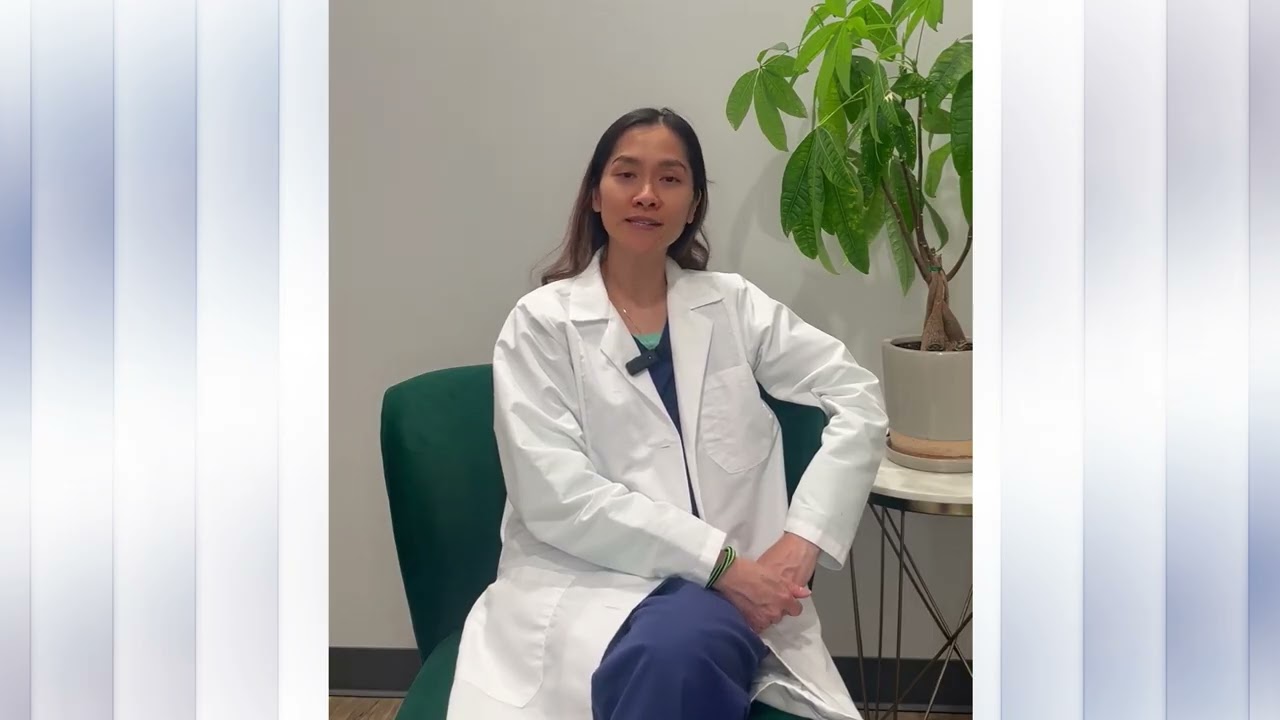
What is full mouth reconstruction?
Full mouth reconstruction is the process of restoring your entire mouth. It may be recommended if you have severe tooth decay, multiple broken teeth, are missing several teeth, or your bite no longer functions properly.
These problems can develop for many reasons, including trauma, years of grinding or clenching your teeth, extensive cavities, or tooth loss. Instead of repairing one or two teeth at a time, full mouth reconstruction focuses on restoring the health, function, and appearance of your entire smile.
Who is a good candidate for full mouth reconstruction?
A good candidate for full mouth reconstruction is someone with extensive dental problems. This may include widespread tooth decay (rampant caries), multiple broken teeth, significant tooth wear from grinding or clenching, or several missing teeth.
If you've noticed that your teeth have become shorter over time from wear, your bite has changed, or you're missing enough teeth that it affects your ability to chew or smile comfortably, you may be a good candidate for full mouth reconstruction.
What are the treatment options for full mouth reconstruction?
There are several treatment options for full mouth reconstruction, depending on your individual needs.
For patients who are missing all of their teeth, treatment may include dental implants with an All-on-X restoration, which uses four or more implants to support a full arch of replacement teeth. Traditional full or partial dentures may also be appropriate in some situations.
If you still have most of your natural teeth but they are worn, broken, or heavily damaged, treatment may include dental veneers or dental crowns. In many cases, restoring both the upper and lower teeth with crowns helps rebuild the appearance, strength, and function of your smile.
Can a general dentist perform full mouth reconstruction?
Yes. General dentists are qualified to perform full mouth reconstruction. However, these cases often require additional training and experience because they can be quite complex.
At First Smile Family Dental, our providers have completed advanced training and have extensive experience treating full mouth reconstruction cases. We've helped many patients restore the health, function, and appearance of their smiles.
What is the process for full mouth reconstruction?
Your first visit begins with a consultation and comprehensive dental examination. We'll perform a thorough evaluation, take any necessary digital scans, panoramic X-rays or CBCT scans when appropriate, and examine each tooth to determine your oral health needs.
Once we've completed the evaluation, we'll discuss whether you're a candidate for full mouth reconstruction and review the treatment options that best fit your goals. Since every treatment plan is different, costs and timelines vary depending on the procedures involved. After your examination, we'll recommend the option that's best suited for your smile.
How many visits does full mouth reconstruction take?
The number of appointments depends on the type of treatment you're receiving.
If you're replacing all of your teeth with complete dentures, several appointments are typically needed. We'll take impressions and records, have you try in the teeth, and work closely with the dental laboratory before delivering your final dentures.
If you're receiving a full set of dental crowns or veneers, treatment generally takes two appointments. The first visit is longer because we'll remove any decay, prepare the teeth, complete digital intraoral scans, and send the information to the dental lab. During your second visit, we'll place and permanently cement your new crowns or veneers.
If you're receiving an All-on-X dental implant restoration, treatment requires several visits over a longer period of time. After your dental implants are placed, they'll need time to heal and integrate with the jawbone before your final implant-supported prosthesis can be attached.
What sedation options are available for full mouth reconstruction?
At First Smile Family Dental, we offer nitrous oxide (laughing gas) to help patients feel more relaxed during treatment. We also use local anesthesia to keep you comfortable throughout your procedure.
For patients with higher levels of dental anxiety, we may prescribe medication to take the night before and about an hour before your appointment. If you're taking this medication, you'll need someone to drive you to and from your visit. Depending on your procedure, we may also combine the medication with nitrous oxide to help make your experience as comfortable as possible.
What is the healing time for full mouth reconstruction?
Healing depends on the type of treatment you receive.
For an upper or lower All-on-X dental implant procedure, you'll spend about the first week recovering from surgery. After that, most patients are feeling much better, but the dental implants still need approximately four months to fully integrate with the jawbone before the final prosthesis can be placed.
For dental crowns or veneers, recovery is much quicker. After your teeth are prepared, you'll wear temporary restorations while your permanent ones are being made. Your gums may feel a little sore for a day or two, but this usually resolves quickly.
With complete dentures, there isn't a surgical healing period unless extractions are involved. After your dentures are delivered, you'll likely return for a few adjustment appointments as you become accustomed to wearing them and begin eating with them.
How do I care for full mouth reconstruction results?
We'll provide detailed post-operative instructions based on the type of treatment you receive.
If you have dentures, they can often last five years or longer, although they may eventually wear, stain, crack, or require replacement as your gums and jawbone naturally change over time.
If you receive dental crowns or veneers, maintaining excellent oral hygiene is essential. Brush, floss, and continue visiting us for regular dental cleanings and examinations so we can monitor your restorations and the health of your natural teeth.
If you receive an All-on-X dental implant restoration, we typically recommend returning about once a year so we can remove the prosthesis, professionally clean around your dental implants, and securely replace it. With proper care and regular maintenance, implant-supported restorations can last for many years.
Does dental insurance cover full mouth reconstruction?
Insurance coverage depends on the type of treatment you receive and your individual dental plan.
Complete dentures are often covered, at least in part, by many dental insurance plans. Veneers are generally considered cosmetic treatment, so they're usually not covered. Dental crowns may be covered when they're considered medically necessary, depending on your plan.
Dental implants and All-on-X treatment may also receive partial coverage, but most dental insurance plans have annual maximums that limit how much they'll contribute each year.
Are payment options available for full mouth reconstruction?
Yes. If you're a candidate for full mouth reconstruction, our team at First Smile Family Dental will review the available payment and financing options with you.
Whether your treatment includes dental crowns, veneers, dentures, dental implants, or an All-on-X restoration, we'll work with you to help find a payment solution that fits your budget and helps you achieve your smile goals.
If you're interested and think you are a candidate for full-mouth reconstruction, or would like to learn more about our services, we'd love to hear from you. Call us at (253) 544-4073 or email [email protected]. We look forward to caring for your smile.